Readers Listen Fast
A sighted reader skims, backtracks, speeds up over familiar ground. A print-disabled listener using an audio book has historically been handed whatever pace the narrator set and told to keep up. The assumption that audio is inherently slower than print is wrong, and the technology has long since made it moot.

01Experienced listeners routinely consume audio at twice natural speech — and a good recording is built with that in mind
Screen readers and audiobook players ship with speed controls as a standard feature, not an add-on. Habitual users — particularly those who are blind from an early age and have relied on synthetic or recorded speech throughout their education — often settle at one and a half to two and a half times the natural speaking rate. Some push higher. At two-times speed a narrator delivering a measured 150 words per minute becomes 300, a pace most untrained hearing is genuinely unable to parse. Experienced listeners parse it without effort.
This changes what a recording needs to do. A narrator who breathes heavily, inserts long pauses for dramatic texture, or lets silence fall between every chapter heading is adding material that sounds meaningful at 1× and becomes an obstacle at 2×. The pauses remain; they simply double in proportion to the surrounding words. A recording heavy in atmosphere can feel sluggish and padded at speed, even when it is beautifully made at natural rate.
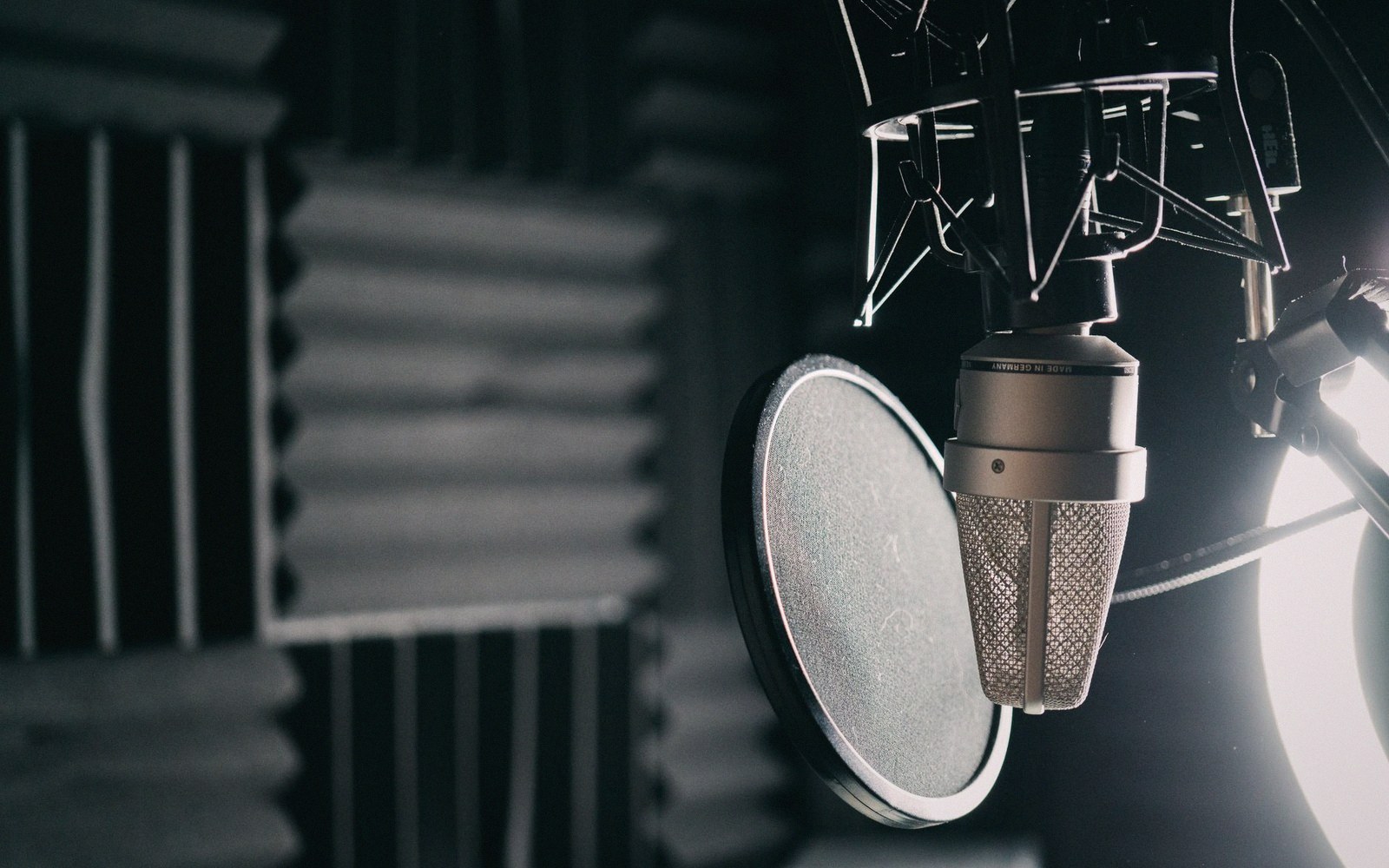
Good audio production for the accessible-book market therefore leans toward clarity over atmosphere. Pauses are functional rather than expressive — long enough to signal structure, short enough not to accumulate. A chapter break might be marked with a tone or a silence of defined length rather than left to the narrator's feel. Breath noise is removed or reduced in editing. Plosives are controlled at the microphone rather than corrected later. None of this produces a cold or mechanical recording; it produces one that travels well across the speed dial.
The same listener who runs a novel at 2× may drop back to 1× for a technical manual, a table of values, or a medical text where density requires processing time. A well-structured recording built to the DAISY standard lets them do exactly that — slow for the hard passage, accelerate for the chapter they already half-know — without losing their place. Speed is not a single setting but a tool the reader uses across a single book.
None of this asks a narrator to perform mechanically. It asks them to be precise. Clarity under acceleration is the discipline that separates a recording made for an accessible collection from a recording made for a leisured listen.
The speed dial in numbers
From the register| Item | What it means |
|---|---|
| 150 wpm | a comfortable, measured narration pace |
| 1.5× to 2.5× — the range where experienced screen-reader and audiobook users typically work | |
| 300 wpm | what 2× speed produces from a 150 wpm recording; faster than most untrained listeners can follow |
| Pauses are proportional | a 2-second pause at 1× becomes 1 second at 2×, shrinking along with the words |
The assumption that audio is inherently slower than print is wrong, and the technology has long since made it moot.
What this means for production
From the register| Item | What it means |
|---|---|
| Long expressive pauses | add friction at speed; keep pauses functional and defined |
| Breath noise | reduced in editing; it accumulates under acceleration |
| Plosive control | handled at the microphone, not in post |
| Chapter markers and tones | structural signals that hold up at any speed |
More in Audio
Related entriesThis is an independent publication about accessible book formats. It is not a library, publisher or lending service, and it does not provide access to books or documents.