The Book Famine
Most books that exist will never be readable by someone who cannot read print. The number is not a rounding error.

01A Gap That Has a Name
Disability rights advocates coined the phrase "book famine" to describe the disparity between what the publishing industry produces and what reaches readers with print disabilities. The figures cited most often — by the World Blind Union and by researchers working on international copyright reform — suggest that in high-income countries, somewhere between five and seven percent of published titles ever appear in an accessible format. In lower-income countries, the figure is typically below one percent.
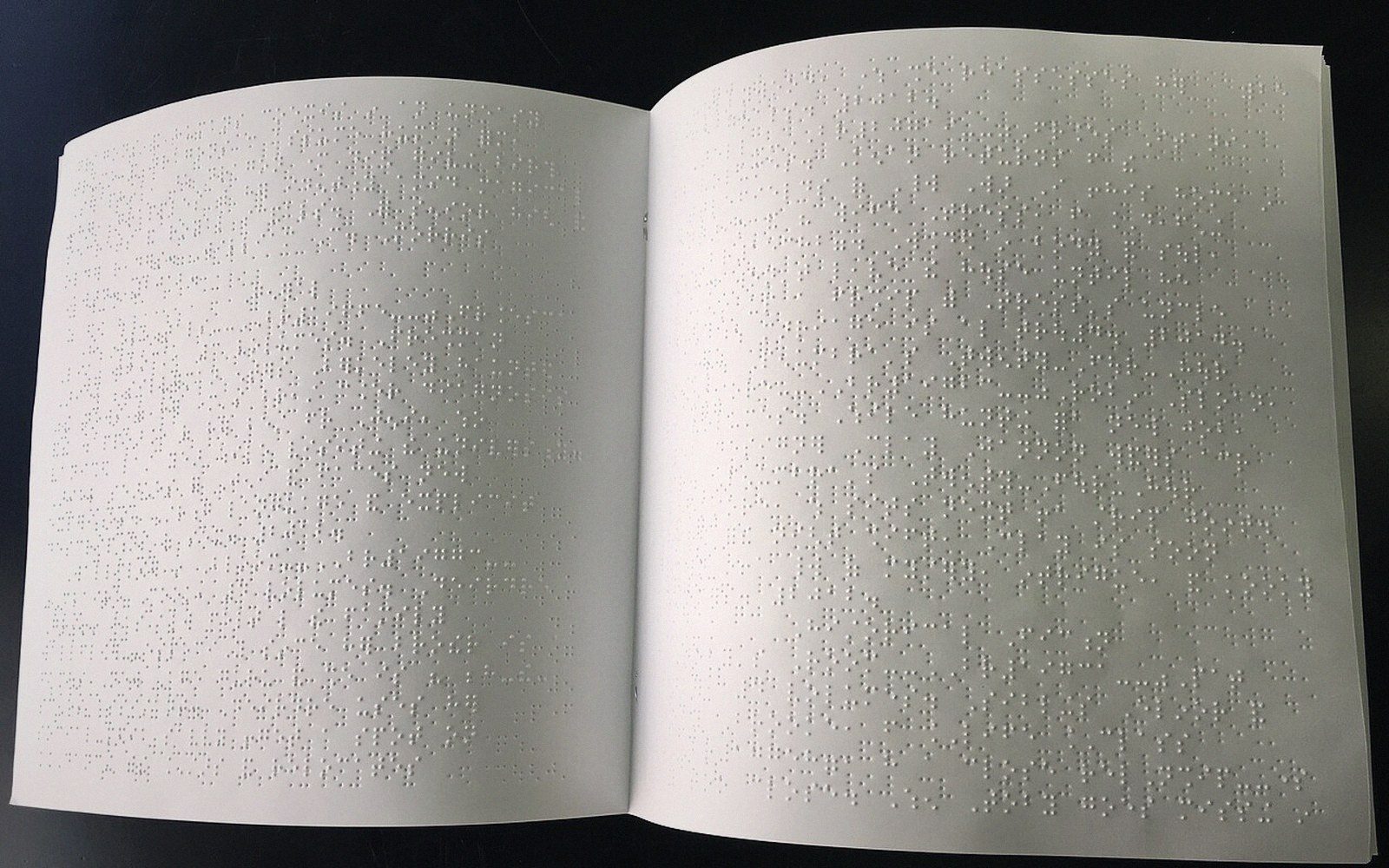
The gap is not mainly a production problem. Braille transcription, audio recording, and accessible digital formats are established crafts. The organisations and the trained people exist. What has historically constrained the catalogue is permission: for most of the twentieth century, making an accessible copy of a copyrighted work without the rightsholder's approval was, in most jurisdictions, technically an infringement, regardless of intent. The legal frameworks that created exceptions for disability-related reproduction were narrow, nationally bounded, and inconsistently applied.
Copyright term extension made this worse over time. As the window between a book's publication and its passage into the public domain stretched from decades to a century or more, the universe of works that could be freely converted grew more slowly than the universe of works in active circulation.
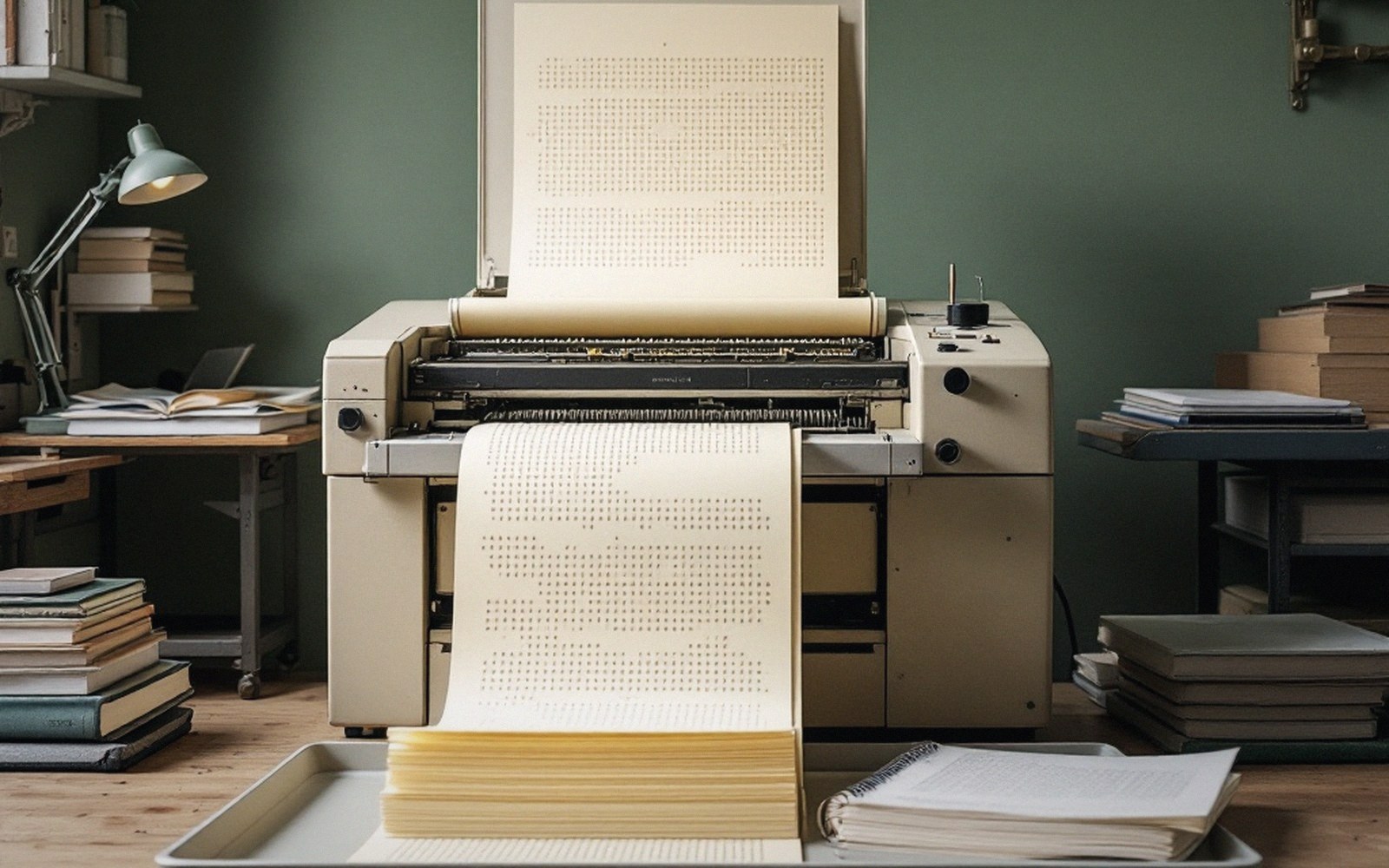
The result is a structurally depleted catalogue. A sighted reader choosing between current titles faces abundance. A reader who needs who may make the copy at all to be resolved before the title exists in any accessible form faces a much smaller room. New releases that appear simultaneously in print and accessible formats remain uncommon enough to be notable.
The economics compound the law. Producing a single accessible title takes significant time and skilled labour. When the total number of titles that may legally be converted is constrained, the production effort is allocated across a narrow base — and the most commercially prominent titles tend to absorb it, leaving non-fiction, academic work, and literature in translation especially thin.
The book famine is, in that sense, a policy outcome dressed up as a logistics problem.
The number at the centre
From the register| Item | What it means |
|---|---|
| Five to seven percent | the frequently cited proportion of titles appearing in accessible formats in high-income countries |
| Below one percent | the figure cited for lower-income countries |
| Both figures are estimates drawn from World Blind Union research and international copyright reform advocacy, not precise statistics. |
The legal frameworks that created exceptions for disability-related reproduction were narrow, nationally bounded, and inconsistently applied.

More in Permission
Related entriesThis is an independent publication about accessible book formats. It is not a library, publisher or lending service, and it does not provide access to books or documents.