Crossing a Border With a Copy
One treaty changed what a library in Nairobi could legally send to a reader in Buenos Aires — and why that had ever been a problem reveals how copyright works.

01The Wall That Existed First
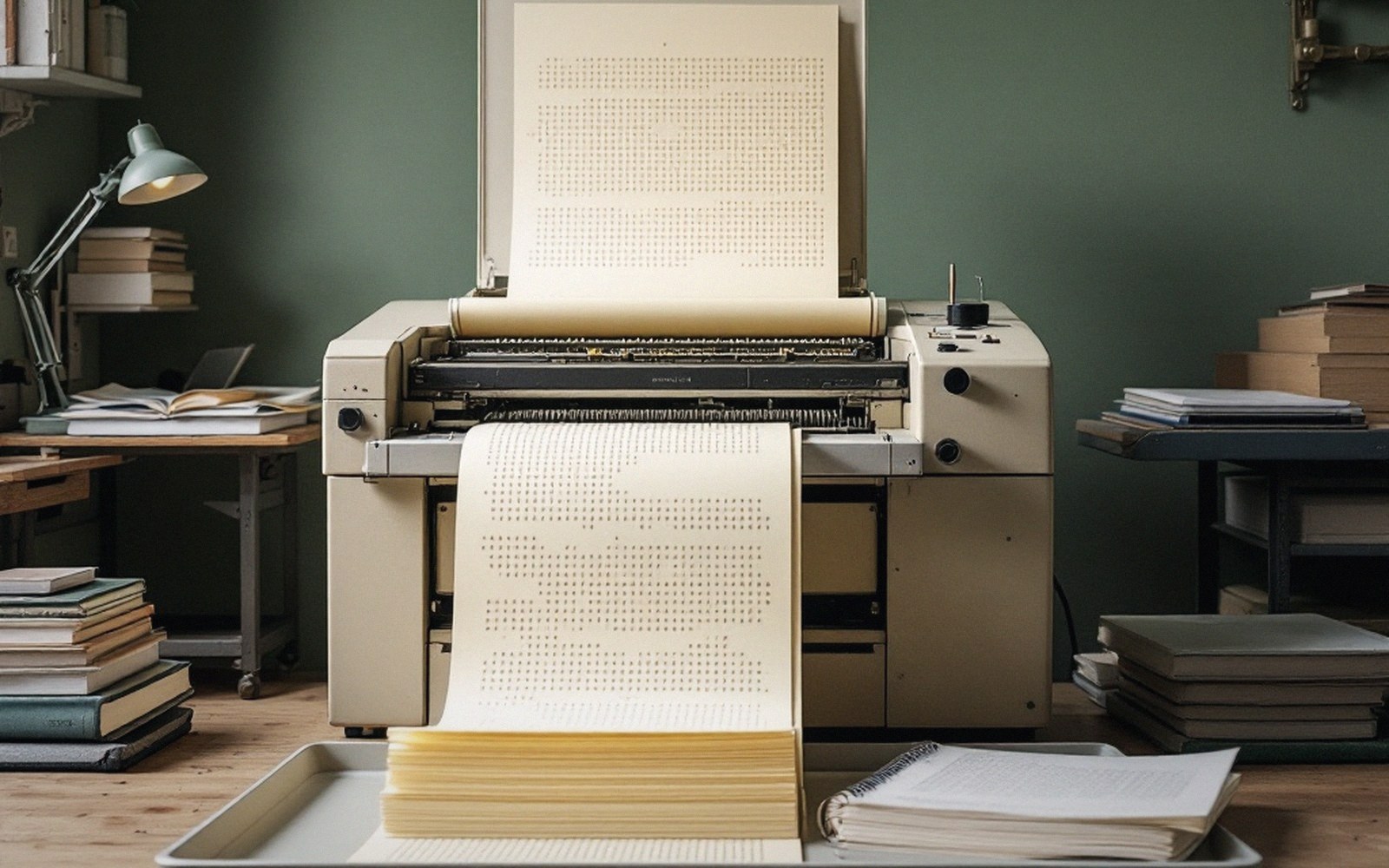
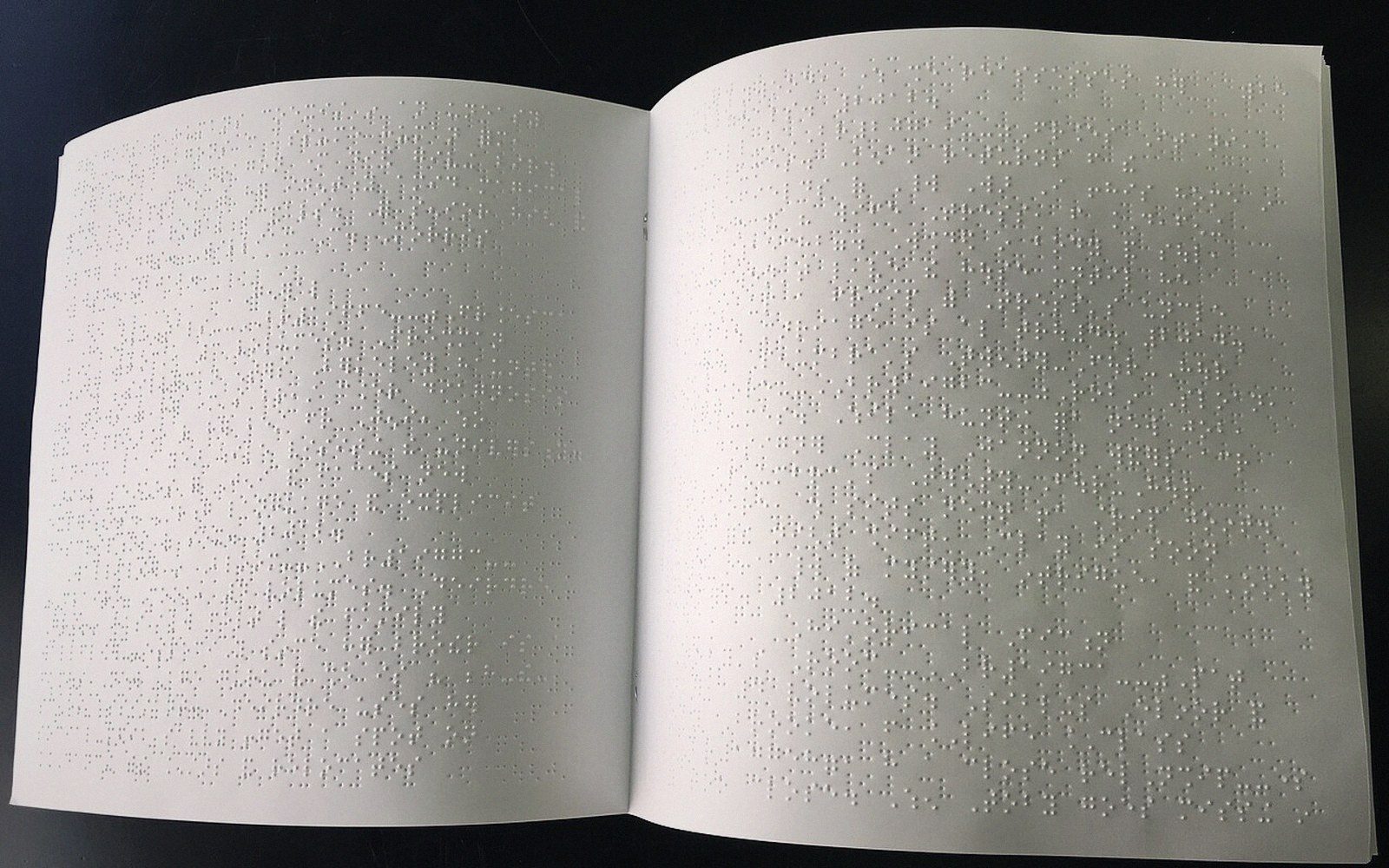
For most of the history of accessible publishing, a braille or audio copy made lawfully in one country could not be sent across a border without the copyright holder's explicit permission. The domestic exceptions that allowed an accessible format to be produced at all — the legal carve-outs that let a specialist organisation convert a novel into braille or record it for a blind reader — were national in scope. They stopped at the customs line.
This meant that if a Canadian organisation had already produced an accessible version of a particular title, a library in New Zealand could not simply request a copy. It had to either seek the publisher's permission from scratch or produce an entirely new version at its own expense. The result was systematic duplication: multiple organisations in different countries independently transcribing or recording the same books, while thousands of titles in smaller or less-resourced languages remained untouched. The book famine — the persistent scarcity of accessible titles relative to the published mainstream — was partly a production problem and partly a legal one.

02The Marrakesh Treaty
In 2013, the World Intellectual Property Organization convened a diplomatic conference in Marrakesh, Morocco, and the member states adopted the Marrakesh Treaty to Facilitate Access to Published Works for Persons Who Are Blind, Visually Impaired, or Otherwise Print Disabled. It entered into force in 2016 and has since been ratified by a substantial and growing number of countries.
The treaty does two related things. First, it requires ratifying countries to have a domestic copyright exception that permits authorised entities — typically specialist libraries, disability organisations, or educational institutions — to produce accessible format copies without seeking permission from the rights holder each time. Second, and crucially, it permits those authorised entities to share accessible copies across borders with equivalent organisations in other ratifying countries. A file produced in one signatory state can be transmitted legally to a qualified recipient in another.
The mechanism is not a free-for-all. The copies remain restricted to people who are blind, have low vision, or have a print disability that prevents them from reading a standard printed text — perceptual or physical conditions that make an ordinary book inaccessible. The organisations involved must be genuinely authorised: they cannot simply be anyone with a scanner. And the copies are not permitted to circulate commercially in ways that would substitute for the ordinary market.
How the treaty works — two obligations in sequence
From the register- Domestic exception requiredratifying states must permit authorised entities to produce accessible copies without per-title rights-holder permission
- Cross-border sharing permittedauthorised entities may transmit those copies to equivalent bodies in other ratifying countries
- Who qualifiesblind, low vision, or print-disabled readers; copies handled by authorised (not commercial) organisations
- What is not permittedcommercial distribution or use as a market substitute for the standard edition
03What It Changed in Practice
Before Marrakesh, the DAISY Consortium and a handful of bilateral agreements between trusted organisations had created some cross-border sharing on an informal or case-by-case basis. The treaty replaced that patchwork with a legal framework. The ABC Global Book Service — run by the Accessible Books Consortium, a partnership including WIPO, the DAISY Consortium and RNIB — became a practical infrastructure for the exchange, allowing authorised libraries to locate and request accessible titles held by partner organisations in other countries.
The gains are most visible where production capacity is limited. A country with a small specialist library and a modest annual output of accessible titles can now draw on the catalogues of well-resourced partners rather than starting from nothing. Languages shared across several nations — Spanish, Arabic, Portuguese — benefit particularly, because a single accessible production can serve readers in many countries simultaneously.
The treaty does not dissolve every tension. Countries that have not yet ratified remain outside the arrangement. Domestic implementation varies: some ratifying countries wrote narrow exceptions that limit which organisations qualify as authorised entities. And the underlying production constraints — time, cost, trained staff — do not disappear because a file can now legally travel. What Marrakesh removed was the legal barrier on top of those practical ones. That is the more modest claim, and it is the accurate one.
A file produced in one signatory state can be transmitted legally to a qualified recipient in another.
Chronology
From the register- 2013Marrakesh Treaty adopted at WIPO diplomatic conference, Marrakesh, Morocco
- 2016Treaty enters into force after sufficient ratifications
- Ongoingratification count continues to grow; implementation quality varies by country
More in Permission
Related entriesThis is an independent publication about accessible book formats. It is not a library, publisher or lending service, and it does not provide access to books or documents.