Braille Is Enormous
A single novel in print becomes a stack of heavy volumes. The physics of braille shape who owns it, where it lives, and how it travels.

01Six Dots Take Space
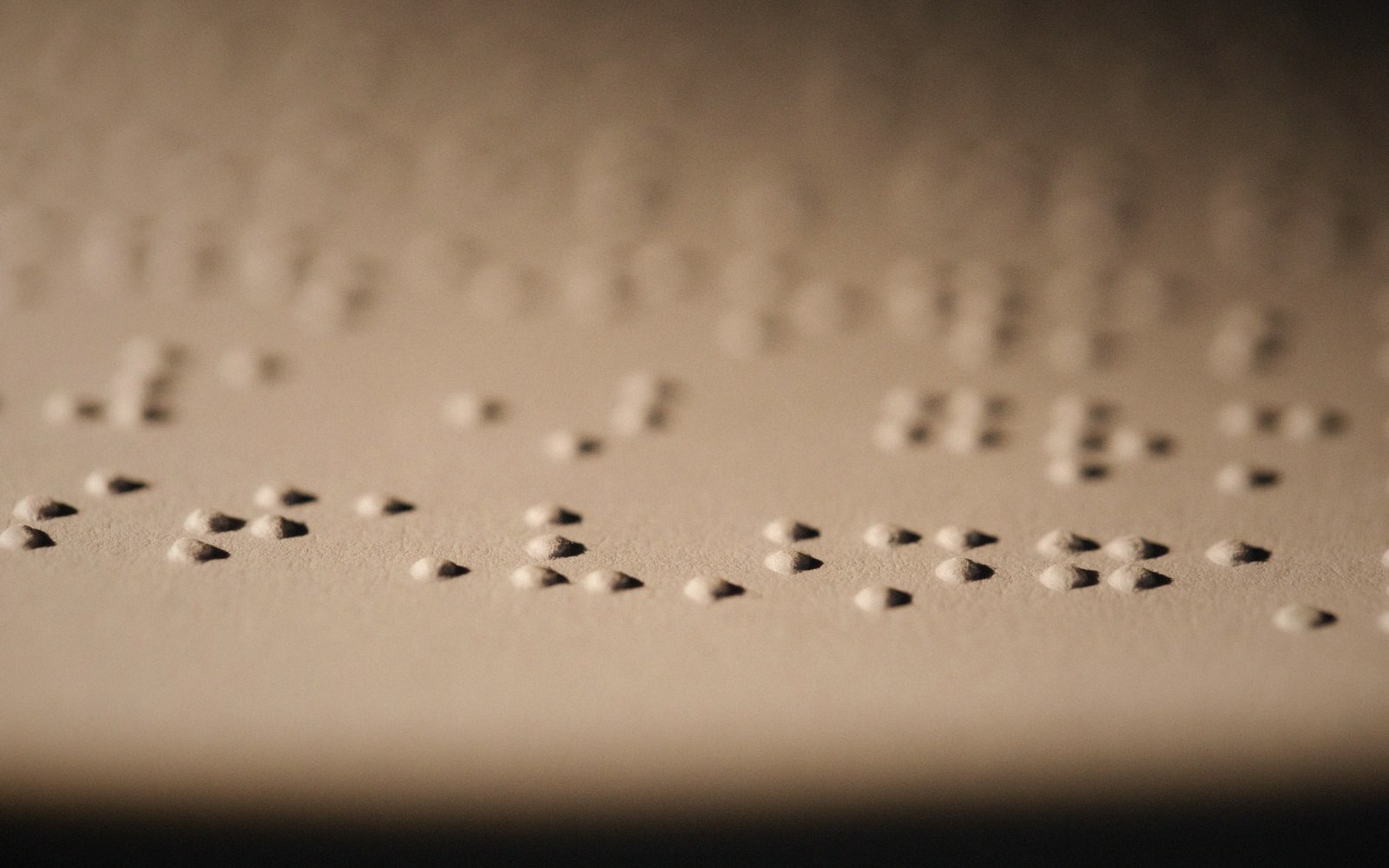
A braille cell — the raised-dot unit that encodes a single character — cannot be smaller than a finger can reliably feel. That lower bound is non-negotiable: it is set by human neurophysiology, not by any design choice. The result is a writing system that expands prose dramatically in every direction.
A typical print novel of 350 pages might run to five or six braille volumes, each the size of a telephone directory. Together they weigh several kilograms. Even contracted braille, which compresses common words and letter sequences into single cells, reduces bulk by roughly a quarter — helpful, but not transformative. A long work of non-fiction, dense with proper nouns that resist contraction, can run to twelve volumes or more.
The practical consequences accumulate fast. A single reader's shelf of a dozen braille novels requires the kind of space a sighted reader might give a hundred print books. Libraries that hold braille collections measure capacity differently: not in titles but in linear metres. Postage is a live concern — braille volumes shipped individually are heavy enough to push a parcel into a higher rate, and historically national postal systems created dedicated free-postage categories specifically because mailing braille would otherwise be prohibitive for individuals.
Ownership patterns follow from this. Few private individuals maintain large personal braille libraries; the volumes are too cumbersome and expensive to produce for personal ownership to be the expected mode. Most braille reading has historically passed through specialist library collections rather than sitting on a personal shelf. A reader who wants to own a copy of a favourite novel outright is making a commitment of storage that has no real equivalent in print culture.
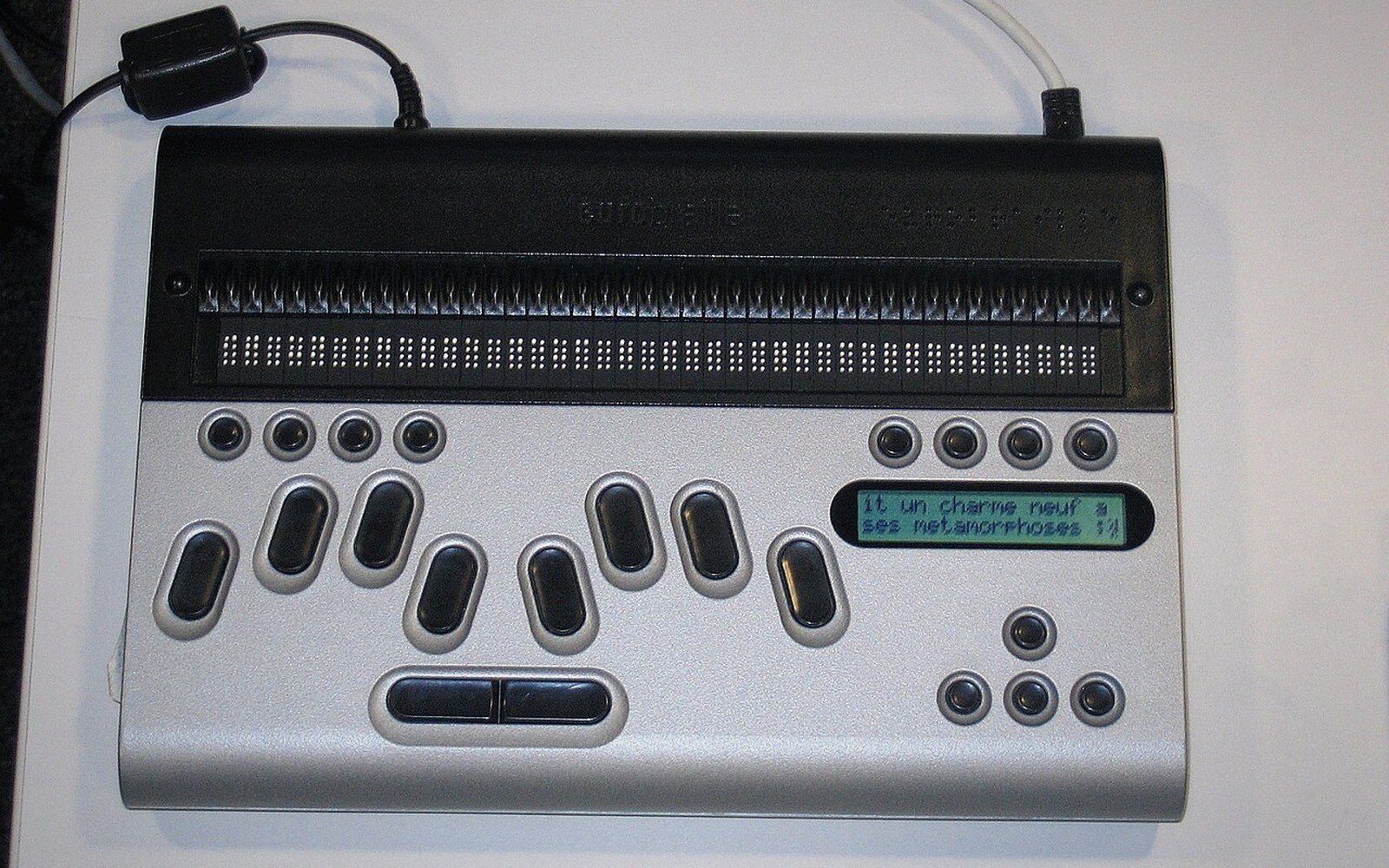
Refreshable displays dissolve the bulk problem entirely — a single device holds thousands of titles — but they require electricity, cost significantly more than a book, and cannot be annotated by the same physical touch that braille on paper invites. The embossed page remains the format that needs no battery and survives a dropped mug. Its size is simply the price of that.
The numbers behind the bulk
From the register| Item | What it means |
|---|---|
| Standard braille cell dimensions | approximately 6 mm tall, 2.5 mm wide, with 3 mm between cells horizontally |
| A 350-page print novel | typically 5–6 braille volumes |
| Contracted braille space saving | roughly 25% reduction in volume count |
| Dense non-fiction | can reach 12+ volumes |
The result is a writing system that expands prose dramatically in every direction.

More in Braille
Related entriesThis is an independent publication about accessible book formats. It is not a library, publisher or lending service, and it does not provide access to books or documents.