A Collection Is Not a Library
The challenge of accessible collections isn't cataloguing. It's getting titles into the collection at all.
01The Shelving Problem Nobody Has
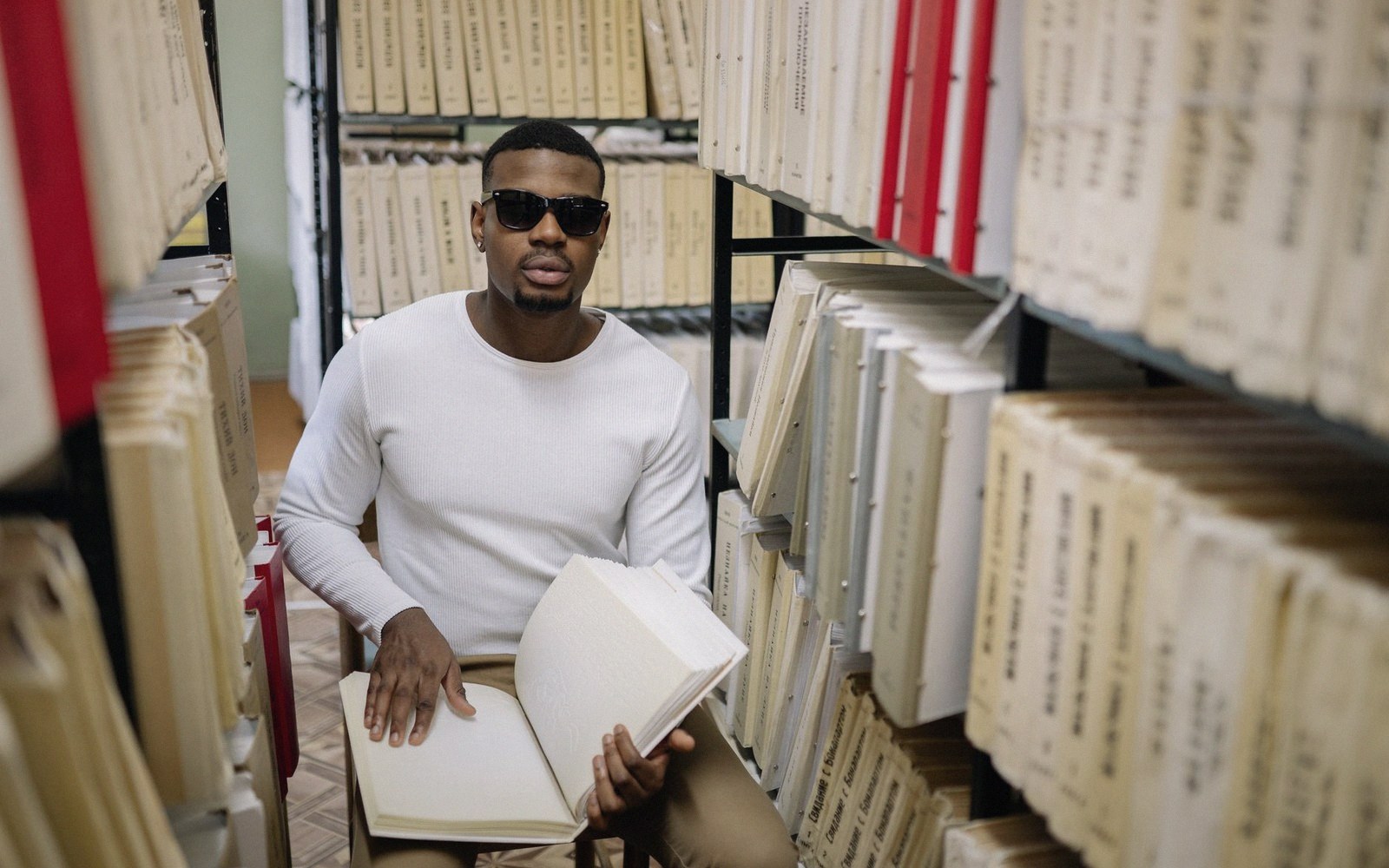
A general library curates from abundance. Millions of published titles exist; the work is selection, acquisition, organisation. An accessible collection operates under the opposite constraint. The question is never which braille edition of a novel to stock — it is whether any braille edition of that novel exists anywhere. Most of the time, the answer is no.
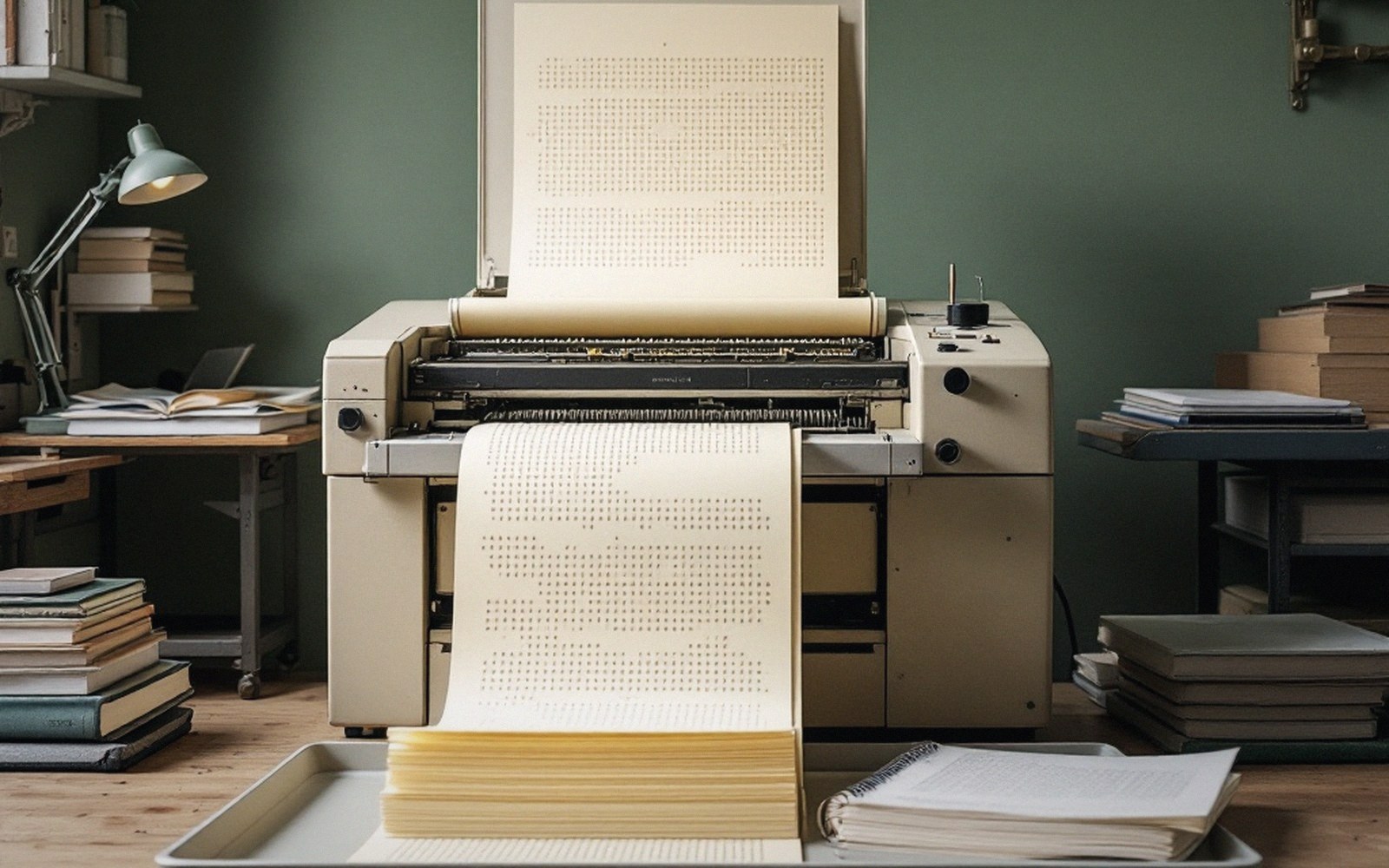
This reversal shapes everything. In a conventional library, a gap in the collection is a purchasing decision. In an accessible collection, a gap usually means a production decision: someone must spend the hours, acquire the rights where required, and build the thing from scratch. Organisation and metadata matter, but they are the easy part. The hard part is what it costs to make one book — in labour, equipment and proofing — multiplied by a catalogue that is perpetually too small.
02What Structure Actually Does Here
Once a title does exist, format determines access more than shelving does. A reader who uses braille and a reader who uses audio and a reader who uses large print are not reaching for the same object, even if the original print title is identical. Each format is a separate production, and an organisation that holds all three has effectively made three books, not one. The collection count is a production count as much as it is a holdings count.
Navigation within those formats matters enormously. A large print book paginated to match the print edition, or a DAISY recording structured so a reader can jump by chapter, is genuinely more useful than a version that simply exists. But usefulness still begins with existence.
This is why the estimate known as the book famine — that a small fraction of published titles ever reach an accessible format — remains the central fact of the field. No system of organisation closes that gap. Only production does.
The core numbers
From the register- 01Accessible collections are constrained by production volume, not by selection or shelving capacity
- 02Each accessible format (braille, audio, large print) is a separate production, not a variant of the same object
- 03a small fraction of published titles ever appear in an accessible format
The question is never which braille edition of a novel to stock — it is whether any braille edition of that novel exists anywhere.
More in The Room
Related entriesThis is an independent publication about accessible book formats. It is not a library, publisher or lending service, and it does not provide access to books or documents.