The Volunteer Transcriber
Before professional transcription services existed, and still running alongside them today, braille production has depended heavily on trained volunteers. The same is true of audio description and large-print preparation in their earlier years. For braille in particular, volunteer transcribers remain a significant force in what gets made and when.

01The hands behind much of the accessible catalogue have never been paid for their time
Training is not incidental. A volunteer who wants to certify as a braille transcriber in the United States typically works through the Library of Congress's course, which covers both uncontracted and contracted braille — the system of abbreviations that compresses common words into single cells. The course runs to dozens of lessons and takes most students between six months and a year to complete, depending on how many hours a week they can give it. At the end, a test manuscript is produced and submitted for marking. Only a passing result earns certification.
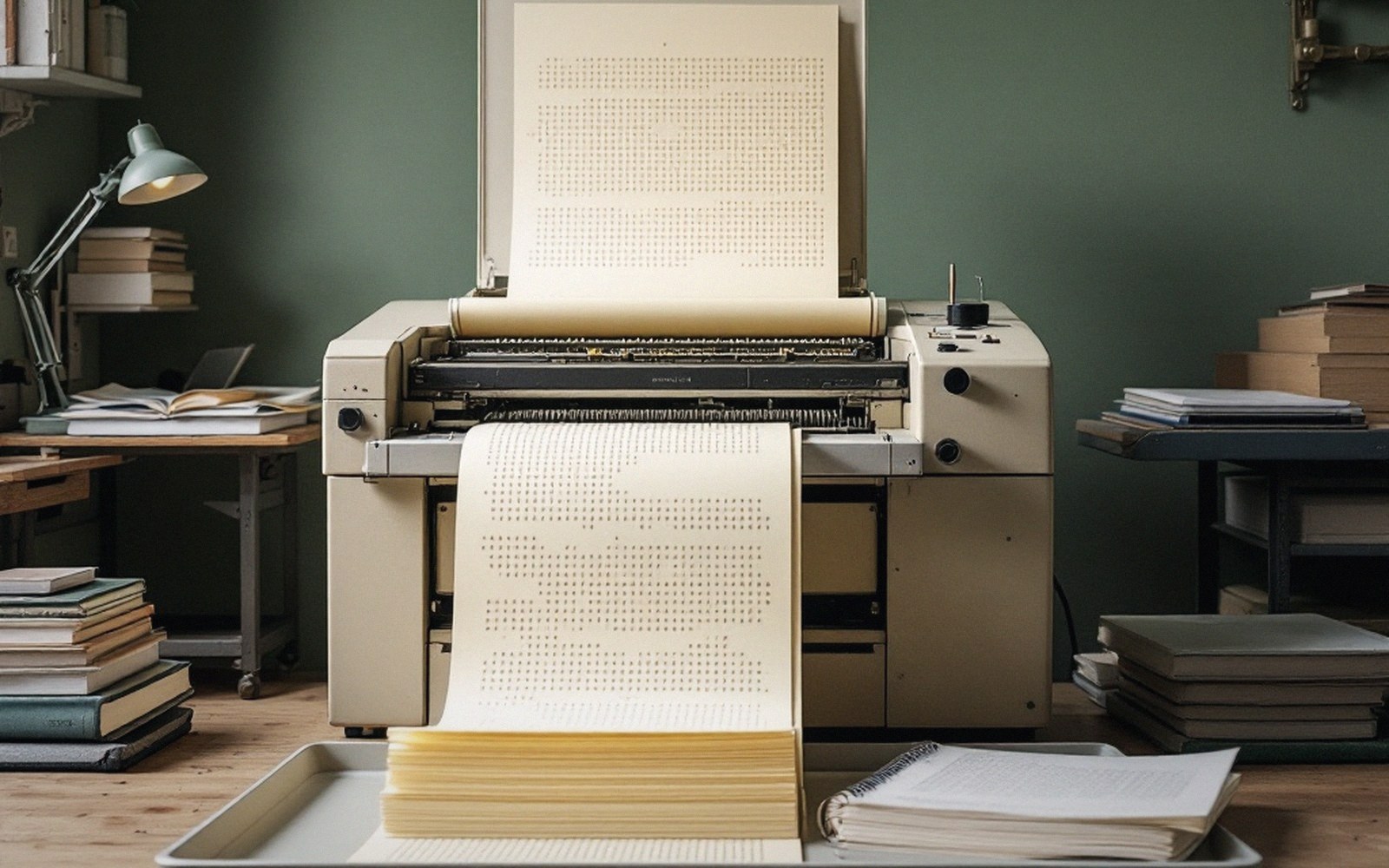
What a transcriber then takes on is substantial. A single novel of average length might require eighty to a hundred hours of skilled work: formatting each page to braille conventions, handling italics, footnotes and any embedded tables, then preparing the file for embossing. Proofreading adds more time, and best practice requires that a certified braille reader check the finished document by touch rather than by eye — a step that cannot be shortcut.
The work is solitary and precise. Volunteers typically work from home on software that translates print to braille code and then allows manual correction, because automated translation makes errors that a trained eye catches and an untrained one does not. The formatting rules — indentation, runover lines, the placement of page indicators — are specified in published codes, and following them correctly is what makes the result genuinely readable rather than merely encoded.

Who does this, and why, tends to resist easy generalisation. Some volunteers are retired teachers, some are sighted people with no personal connection to blindness, some are braille readers who learned the skill from the other side. What they share is the willingness to spend a year learning before producing a single finished page, and then to spend weeks on a single title that may serve a handful of readers.
The catalogue exists in part because they did.
What the training involves
From the register- 01the standard US certification route for volunteer braille transcribers
- 02Covers uncontracted and contracted braille; typically six months to a year for most students
- 03Test manuscript submitted and marked before certification is awarded
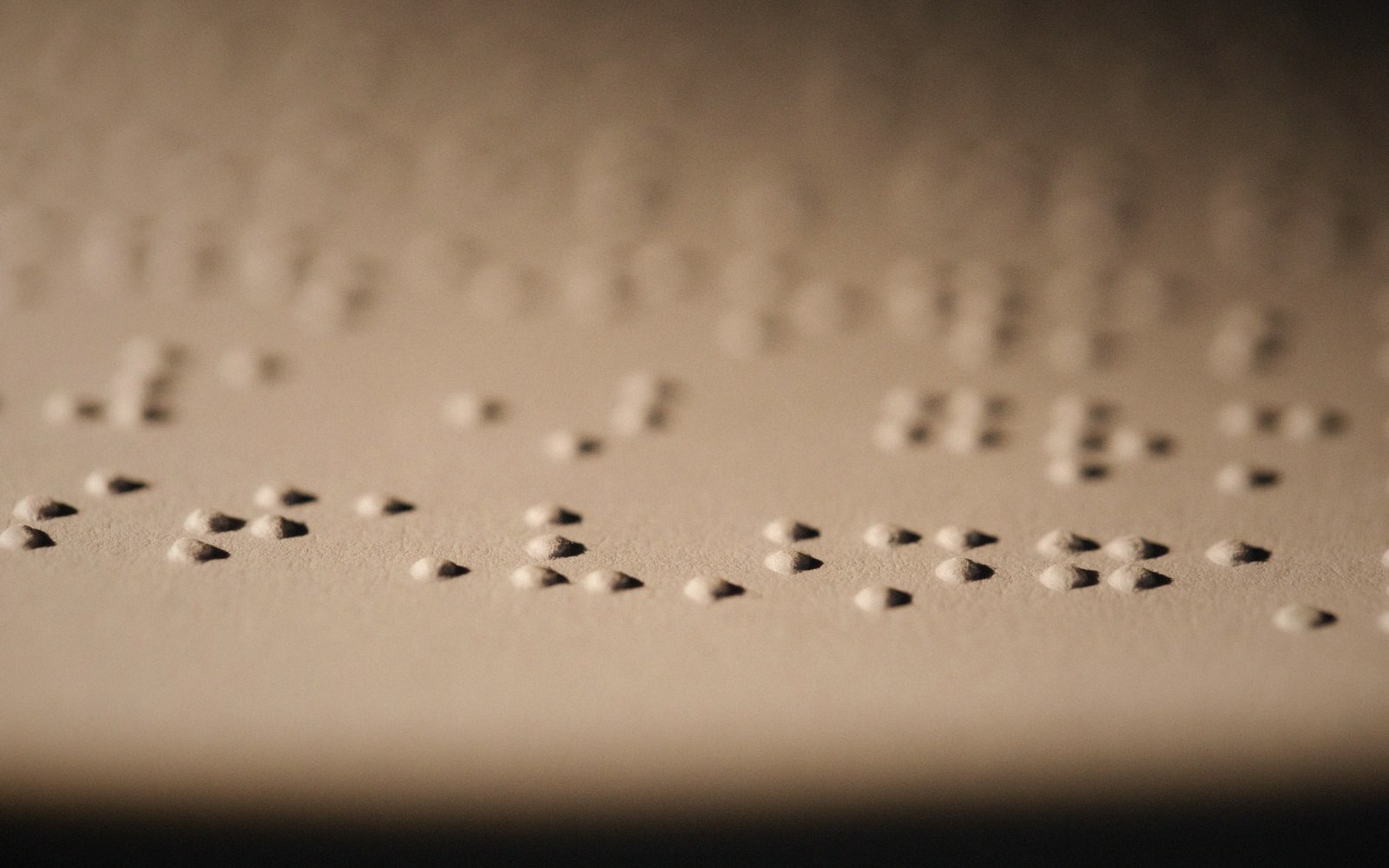
At the end, a test manuscript is produced and submitted for marking.
The arithmetic of one book
From the register| Item | What it means |
|---|---|
| A single novel | roughly eighty to a hundred hours of transcription work |
| Proofreading by a certified braille reader adds further time on top | |
| Formatting rules | indentation, runover lines, page indicators — are specified in published codes |
More in The Room
Related entriesThis is an independent publication about accessible book formats. It is not a library, publisher or lending service, and it does not provide access to books or documents.